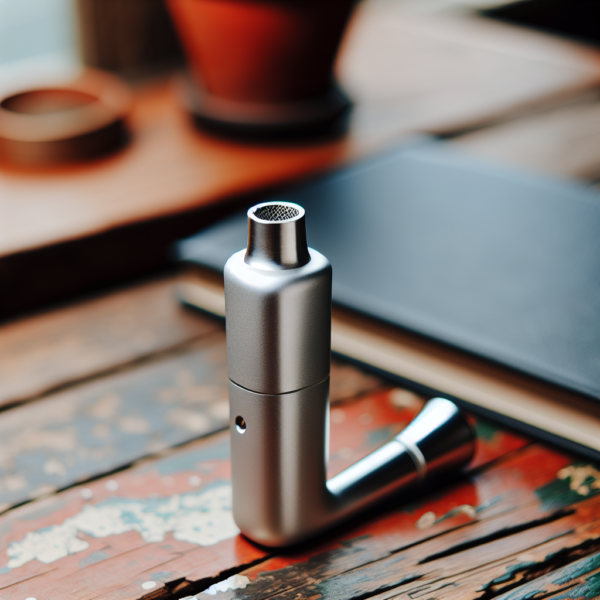
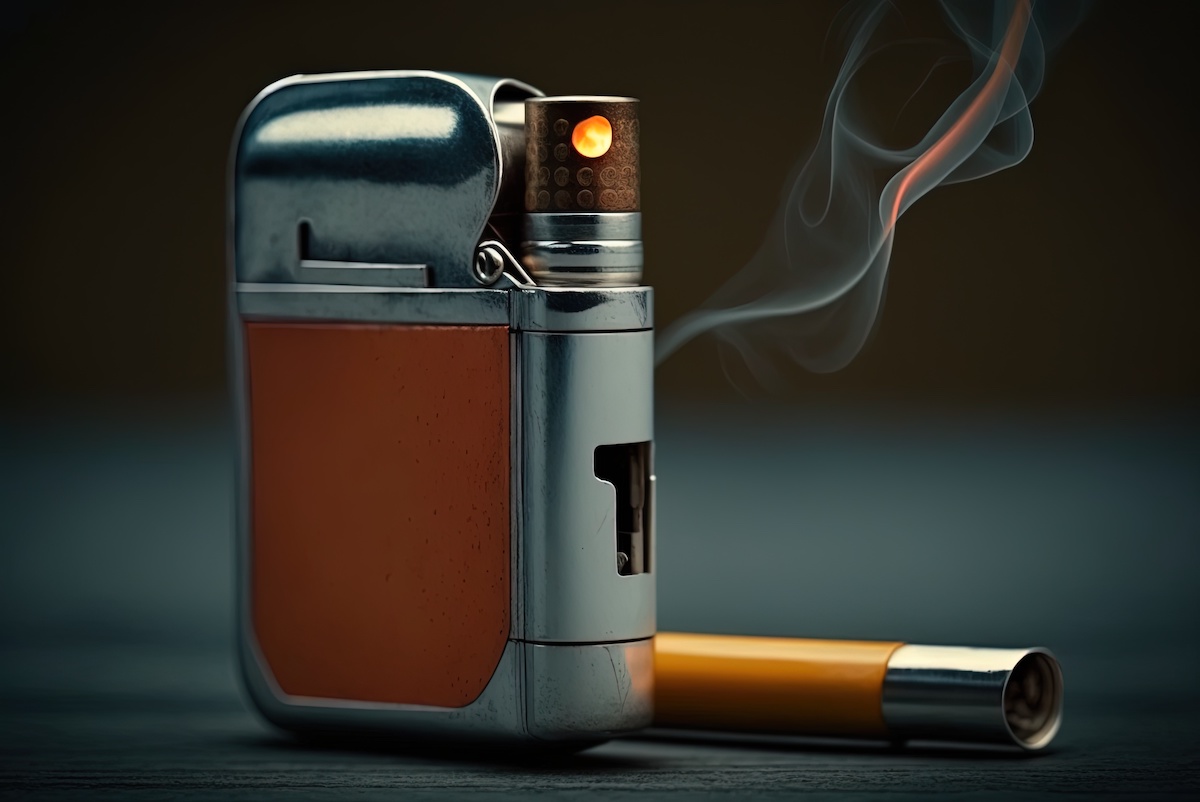
When it comes to electric vs vacuum smoking pipes, today’s pipe enthusiasts are witnessing how tradition and innovation can coexist. In this evolving hobby, technology doesn’t just create new tobaccos or pipe finishes—it transforms the very mechanics of enjoying a bowl. As these two distinct approaches gain traction, both new smokers and seasoned aficionados are discovering unique ways to elevate their experiences.
Understanding the Difference: Electric vs Vacuum Smoking Pipes
To fully appreciate the innovations, we need to understand what sets electric vs vacuum smoking pipes apart. Electric pipes use internal heating elements—usually a battery-fed coil or plate—to vaporize or gently toast tobacco. This design ensures consistent heat without the need for open flames, a major advantage in urban settings or fire-restricted environments.
By contrast, vacuum-assisted pipes focus on airflow mechanics. These designs apply measured low-pressure suction—either via built-in valves or micro-channels—to regulate the draw. The result is improved combustion, fewer relights, and optimized smoke delivery. While both systems tackle challenges like uneven burns and moisture buildup, their methodologies differ significantly.
Electric Smoking Pipes: Consistency Through Technology
Electric smoking pipes, such as the VapeReady Pipe System from Aristofumo, deliver tech-driven consistency. Their regulated 5-volt heat plates provide even, low-temperature heating, resulting in cooler, drier smokes. This is ideal for appreciating delicate blends like GL Pease’s Union Square, where flavor preservation is key.
Urban smokers benefit from the flameless design—perfect for indoor use without triggering smoke alarms. High-end models like SmokeTool Zenith even feature Bluetooth controls for power and heat regulation. Consistency and convenience are at the forefront of this category.
However, electric models come with a learning curve. Blends with high PG content, including Lane’s 1-Q or Sutliff Creme Brulee, may react unpredictably, sometimes leaving behind syrupy residue. Battery life is also a consideration—typically requiring a recharge every two to three sessions. Maintenance involves occasional coil cleaning and software updates, which might intimidate traditionalists but offer long-term convenience for tech-savvy users.
Vacuum-Assisted Smoking Pipes: Precision in Airflow
For those seeking mechanical elegance, vacuum pipes like the DrawMaster V2 by Søren Magnuson offer engineered control. These systems manage airflow using internal valves that enhance combustion stability. This brings complex blends like Cornell & Diehl’s Haunted Bookshop or Esoterica’s Stonehaven to life with balanced smolder and reduced chance of hot spots.
Unlike electric designs, vacuum-assisted pipes still require a traditional flame, which preserves the tactile ritual many enjoy. These tools elevate fundamentals like rhythm and cadence while minimizing the effort required to maintain an even burn. The Venturi Pro even includes adjustable draw modules for custom airflow—perfect for experienced pipers fine-tuning their draw.
Although they lack electronics, vacuum systems are mechanical and require basic upkeep. Occasional valve lubrication or air channel cleaning is usually sufficient. In colder climates, condensation build-up can temporarily affect functionality, though brands like Magnuson include dehumidifier inserts as a solution. High craftsmanship also comes at a cost, with premium models surpassing $400.
Comparing Flavor, Burn, and Maintenance
Looking at flavor, electric vs vacuum smoking pipes distinguish themselves based on blend type. Electric pipes excel with Virginias, orientals, and broken flakes—offering a consistent, non-scorched expression of oils and nuanced flavors. However, stronger mixtures, such as Latakia-heavy English blends like Dunhill’s Nightcap, may feel muted due to the gentle heat.
Vacuum-assisted systems shine with intricate mixtures. Their even airflow supports full combustion of robust blends, enhancing flavor development from start to finish. Smokers frequently report improved profile layering and fewer relights, especially when smoking outdoors in variable air conditions.
From a maintenance perspective, electric models are cleaner—no charred rims or ash—yet require more technical care, including battery charging and firmware attention. Vacuum pipes feel more traditional in upkeep, needing simple tools like pipe cleaners and occasional part checks to keep drawing smoothly.
Best Choices for Different Smokers
For the beginner, electric pipes provide automatic consistency. Brands like AerIgnite offer models under $150 that reduce misfires and help prevent tongue bite. The push-button convenience simplifies lighting while encouraging proper puffing rhythm.
Experienced smokers often lean toward vacuum systems for their customization. The ability to optimize draw resistance and airflow enhances control over flavor development—ideal for matured flakes or complex ribbon cuts like those found in Germain’s Brown Flake.
Cigar converts might gravitate initially toward electric pipes that mimic the dependability of cigars in combustion and mouthfeel. However, vacuum pipes allow for more nuanced flavor transitions, similar to a well-aged Padron or Oliva.
Collectors and hobbyists will find joy in both categories. An electric pipe adds modern flair to a classic rack, while vacuum systems invite hands-on refinement and mechanical intrigue. High-end releases like the Venturi Artisan Series blend function with artisanship, already generating buzz in collector circles worldwide.
Tradition Meets Engineering in Pipe Innovation
The rise of electric vs vacuum smoking pipes exemplifies how tradition can evolve without being lost. Whether you prefer the modern efficiency of electronic heating or the analog precision of calibrated airflow, both offer rewarding alternatives to conventional smoking.
Ultimately, the best pipe is the one that aligns with your lifestyle and taste preferences. For those drawn to innovation, these new technologies provide cleaner, more controlled ways to experience tobacco. So whether your perfect smoke involves pressing a button or adjusting a valve, you’re still participating in a centuries-old ritual—just with a modern touch.