Turkish vs English pipe tobacco is a comparison that ignites passionate debate among pipe smoking enthusiasts. Both styles have rich histories and distinct flavor profiles that influence how blends are crafted and enjoyed. By understanding the key differences, you can refine your palate, elevate your smoking experience, and gain a deeper appreciation for the artistry behind each tobacco.
Defining Turkish Pipe Tobacco: Complexity Rooted in Tradition
Turkish pipe tobacco typically refers to Oriental varietals grown in the Eastern Mediterranean, particularly in regions like Smyrna, Xanthi, and Izmir. These sun-cured, small-leaf tobaccos are known for their spicy, aromatic, and tangy character. While not always exclusively from Turkey, the term “Turkish” in the pipe tobacco world encompasses Macedonian and Greek Orientals as well.
Turkish tobaccos shine as condimental components in blends, where they add nuance, depth, and aromatic flair. Think of them as the seasoning in a culinary dish—never overpowering but always enhancing. The flavor spectrum ranges from incense-like florals and woody spice to tangy earthiness. With low nicotine and exceptional aging potential, Turkish leaf develops elegant sweetness and complexity over time.
Outstanding examples that showcase Turkish tobaccos include:
- McClelland Grand Orientals Series (discontinued): Celebrated for single-oriental varietals like Yenidje and Drama Reserve.
- Savinelli 140th Anniversary: A refined Va/Oriental blend where the Turkish leaf complements Perique beautifully.
- Ashton Artisan’s Blend: An English blend that gives Turkish leaf a major role alongside Latakia and Virginia.
Pairing a Turkish-forward blend with a wide-chambered pipe—like a Savinelli 320 or a Rattray’s Marlin—enhances the leaf’s aromatic qualities. When aged, Turkish tobacco offers a nuanced profile comparable to fine wine: softened spice, deepened sweetness, and lingering complexity.
What Makes English Pipe Tobacco Unique?
English pipe tobacco refers to a blending style rather than its origin. These blends are centered around unsweetened Latakia, mixed with Virginias, Orientals, and sometimes Perique. Smoky, full-bodied, and layered, English blends often use Turkish leaf for balance and aromatic depth—illustrating that Turkish vs English pipe tobacco is about emphasis, not exclusivity.
Latakia, originally Syrian and now mostly Cypriot, is fire-cured and intensely smoky. It delivers leathery, woodsy, and even meaty notes. While Turkish tobacco supports the Latakia by adding brightness and spice, Latakia remains the dominant flavor in English-style blends.
Excellent English pipe tobaccos worth exploring include:
- Peterson My Mixture 965: A classic balance of Latakia and Orientals with Cavendish depth.
- Cornell & Diehl Star of the East: Powerful and Latakia-heavy, with Turkish contributing smooth aromatic lift.
- Samuel Gawith Squadron Leader: A gentler English blend where Turkish provides balsamic sweetness beneath the smoke.
To showcase the richness of English blends, opt for a narrower bowl like a Dunhill Billiard or a tapered Dublin. This concentrates the smoke and sharpens the Latakia edge. Smoking slowly brings out Turkish brightness behind the dominant campfire character of English mixtures.
Turkish vs English Pipe Tobacco: Flavor Profile Breakdown
Understanding Turkish vs English pipe tobacco means exploring how each prioritizes flavor and structure. Turkish-dominant blends emphasize aromatic, spicy top notes with a lighter, more refined body. English blends, by contrast, focus on heavy, smoky richness with Latakia as the centerpiece.
Here’s how the two compare:
- Strength: Turkish-heavy blends are lower in nicotine and ideal for daytime or contemplative smoking. English blends range from medium to strong and suit evening reflection.
- Room Note: Turkish blends offer floral, incense-like aromas. English blends leave behind bold, smoky notes reminiscent of wood fires and leather.
- Burn Characteristics: Turkish tobaccos burn cool and dry when properly humidified. English blends require careful puffing to avoid harshness from Latakia.
- Flavor Notes: Turkish: spice box, tangy earth, floral wood, subtle sweetness. English: smoky meats, leather, mossy bark, balanced with Oriental high tones.
Adapt your choice to suit mood, time of day, or even the season. Turkish-forward blends shine in spring and summer with a clean, dry character (try Robert McConnell’s Oriental Mixture). For colder months, reach for warming English favorites like Peterson Nightcap or GL Pease Westminster.
Pipe Pairings for Turkish and English Blends
The shape and size of a pipe bowl significantly influence flavor delivery. To maximize your experience, match the pipe to the type of tobacco being smoked.
Effective pairings include:
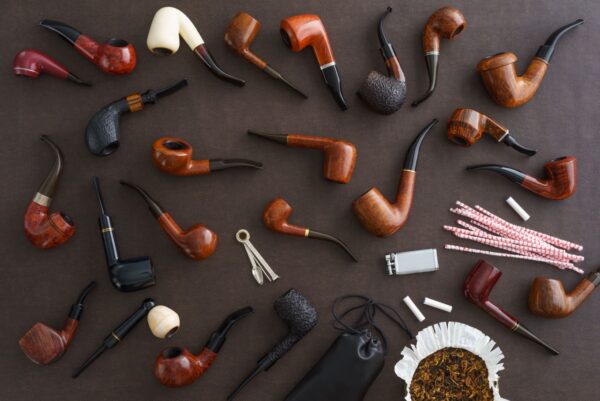
- Turkish blends: Use wide-chambered pipes like the Savinelli 320 KS, Peterson Sherlock Holmes Series, or handmade artisan freehands to expand aromatic nuance.
- English blends: Better in narrower chambers such as Dunhill Group 4 Billiards or Castello shapes like #55. These focus and centralize smoke for intensity.
Maintain blend purity by dedicating specific pipes to each style. Latakia is notorious for ghosting a bowl, which can affect the delicate profile of a Turkish-centric blend. Clean pipes regularly using pipe cleaners and alcohol treatments to preserve flavor integrity over time.
Expert Tips to Elevate Your Pipe Tobacco Ritual
To truly enjoy the richness of Turkish vs English pipe tobacco, refine your technique. Even high-quality blends can disappoint without proper handling.
- Dry Time: Let Turkish ribbon cuts air-dry for 10–15 minutes. English flakes or ropes often benefit from 20–30 minutes based on ambient humidity.
- Packing: A light gravity fill works best for Turkish blends, followed by a gentle tamp. Use the Frank Method or fold-and-stuff approach for English flakes to support even combustion.
- Cellaring: Store blends in separate Mason jars by style to retain flavor clarity—especially important with Latakia-heavy mixtures.
- Smoking Rhythm: Sip gently. A slow cadence allows Turkish subtleties to emerge in English blends and keeps the Latakia from becoming acrid.
Revisit blends at different times of year and across various pipe styles. Your perception evolves with experience. What felt overwhelming before can later reveal impressive depth, especially in aged tins where fermentation enriches and polishes flavors.
Explore the Full Range of Pipe Tobacco Artistry
Comparing Turkish vs English pipe tobacco isn’t about choosing sides—it’s about savoring contrast. Turkish tobaccos offer delicate, aromatic complexity rooted in centuries of regional craftsmanship. English blends celebrate boldness, where Turkish contributes harmony amid smoky, full-bodied composition.
The true joy comes in mastering both. Cellar broadly, invest in thoughtfully selected pipes, and rotate based on mood or season. Turkish brings spice and fragrance; English brings strength and drama. Each puff invites a new layer of discovery.