For pipe smokers, few questions inspire as much debate—or shape the experience—as smoking pipe filters. These small but influential components affect everything from draw resistance to moisture control and mouthfeel. Whether you’re a beginner eyeing your first briar, a cigar devotee exploring new rituals, or a long-time collector with a rack full of Dunhills and Ashtons, understanding smoking pipe filters can improve your technique and elevate your enjoyment.
What Are Smoking Pipe Filters?
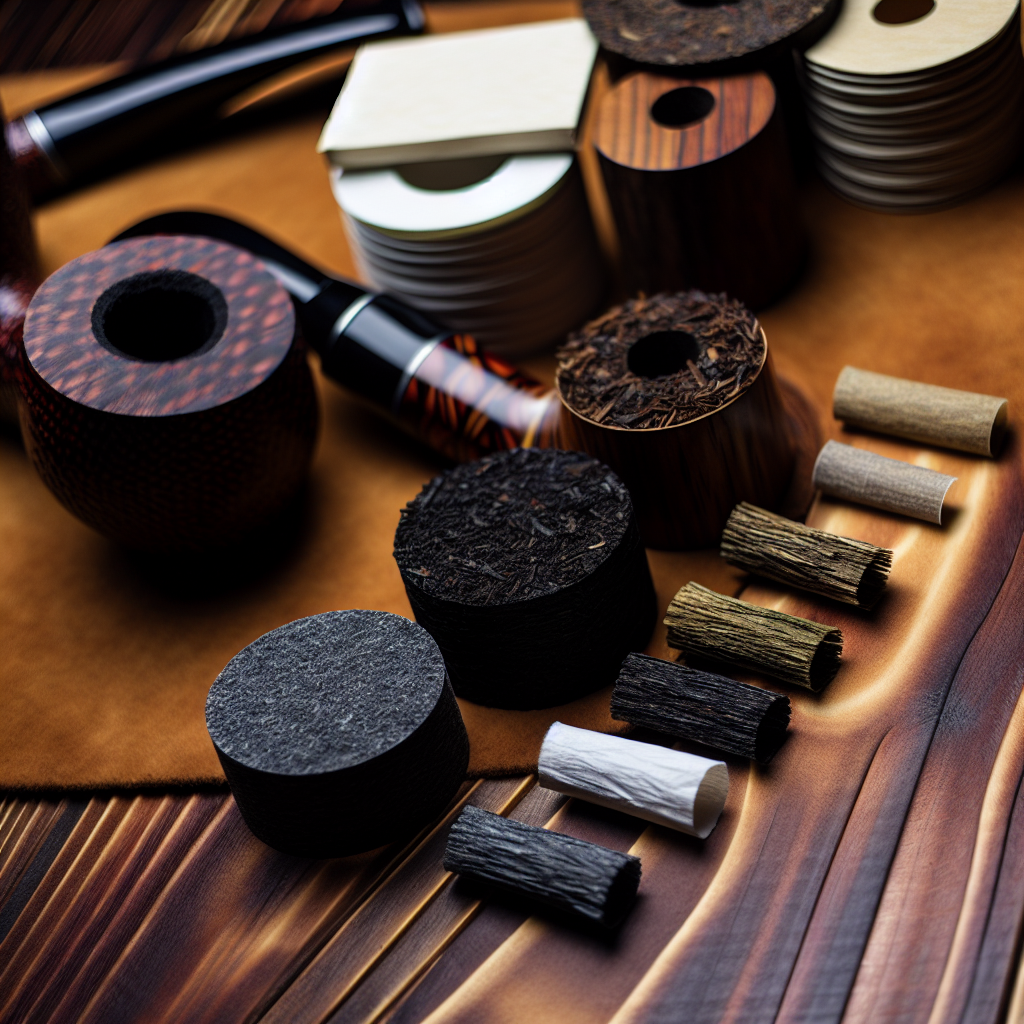
Smoking pipe filters are cylindrical inserts positioned inside the shank of a tobacco pipe. As smoke travels from the bowl toward the mouthpiece, the filter modifies it by reducing harshness, moisture, and certain particulates. Depending on your tobacco choice and smoking style, different filters can dramatically influence flavor clarity and comfort.
Most commercial filtered pipes accommodate 6mm or 9mm inserts, though 3mm metal stems also appear in vintage models. German brands like Vauen and Italian makers such as Savinelli design pipes around filters, offering enhanced smoking experiences. American pipes, especially artisan or classic corncobs, often go unfiltered, reflecting a traditionalist approach. Choosing between filtered or non-filtered depends on your smoking preferences—but knowing your options is essential.
Carbon Filters: Smooth Draw, Cooler Smoke
Carbon filters, commonly 9mm in diameter, are among the most effective smoking pipe filters in use today. Filled with activated charcoal, these filters absorb moisture, tars, and noxious gases without overly restricting airflow. German innovators like Vauen, with their Dr. Perl Junior line, have refined these filters for optimal aeration and thermal control.
Smokers of aromatic tobaccos—like Captain Black or Peterson’s Connoisseur’s Choice—appreciate how carbon filters reduce bite and enhance sweetness. However, they should be replaced every two to three bowls for peak performance. Smokers with rapid puffing cadences or those in humid climates find noticeable benefits, including less gurgling and tongue burn.
During extended sessions with blends like GL Pease’s Westminster or Lane Limited’s 1-Q, switching filters midway can prevent draw resistance buildup. For added refinement, Vauen’s Dr. Perl Junior 9mm filters include ceramic end-caps designed to improve airflow and heat dispersion.
Balsa Wood Filters: Natural and Flavor-Preserving
Balsa filters are another highly-regarded type of smoking pipe filters, crafted from lightweight, untreated wood. Made popular by Savinelli’s product line, these 6mm and 9mm triangular inserts absorb moisture efficiently without chemically filtering the smoke. This leaves flavor intact while reducing condensate.
Smokers favoring nuanced blends—such as GL Pease’s Laurel Heights or Solani’s Silver Flake—value balsa’s silent contribution to a cool, dry smoke. The filters are biodegradable, disposable, and reasonably priced for bulk use. For best results, replace the balsa after every two or three smokes and store in a dry area to prevent saturation.
Unlike charcoal, balsa filters don’t interfere with top notes like citrusy bright Virginias or earthy Burleys. If you’re aiming to maintain tobacco complexity while minimizing moisture, balsa offers a clean, organic solution.
Paper Filters: Simple and Classic
Paper-based smoking pipe filters embody utilitarian performance. Typically found in 6mm formats within budget-friendly pipes like Missouri Meerschaum or Dr. Grabow, these filters use tightly wound absorbent paper to absorb excess moisture and ash. They’re ideal for short, casual smokes and usually discarded after one use.
Corn cob pipe fans often pair paper filters with nostalgic over-the-counter blends like Prince Albert or Sir Walter Raleigh. On-the-go smokers find them convenient for fishing trips or outdoor gatherings where simplicity matters more than nuance.
However, some enthusiasts argue these filters dampen flavors—especially in complex blends such as Esoterica’s Tilbury. Still, for low-maintenance sessions or when traveling light, paper filters serve as a functional option that keeps cleanup easy.
Metal Filters and Filter Adapters
Older pipes, especially early 20th-century British or French briars, sometimes include metal “filters” or stingers. These pieces typically consist of a narrow metal rod or vented tube designed to cool smoke and collect condensate. Technically not filters in the modern sense, they act more as moisture traps.
Though easy to clean and reusable, metal filters can alter the draw and are rarely used in contemporary pipe manufacturing. Still, vintage collectors value their durability and craftsmanship. If you’re restoring a GBD, Comoy’s, or Dunhill with an original stinger, it’s often best to test smoke with and without it to determine your preference.
Modern pipe smokers who skip filtration altogether can use an adapter. Savinelli’s 9mm adapter plug, for example, allows filtered pipes to function unfiltered by inserting a reusable bushing. This flexibility lets you tailor your smoke—running carbon filters for wet aromatics like Molto Dolce or switching to open draw for robust English blends like Nightcap.
Ceramic and Meerschaum Filters: Artisanal Refinement
Ceramic and meerschaum smoking pipe filters cater to seasoned smokers seeking moisture reduction without compromising flavor. Though less common, these filters are reusable and designed for maximum condensation absorption. Ceramic variants, found in brands like Al Pascia, use precise perforations to filter heat and moisture without flavor loss.
Meerschaum filters, adopted by Turkish carvers for centuries, cool and purify the smoke while delivering neutral, dry puffs. They’re especially effective with Latakia-rich blends or cigar leaf-forward mixtures like GL Pease’s Key Largo. That said, ceramic and meerschaum filters require cleaning after each use and can become clogged if neglected.
Some collectors go further, commissioning custom filter solutions for fine meerschaum pipes. These modifications allow richer tasting notes with less tongue bite—granting a more refined experience when sampling top-shelf tins like Wessex Brown Virginia or McConnell’s Covent Garden.
When Should You Use a Smoking Pipe Filter?
Deciding whether to use smoking pipe filters—and choosing the right kind—depends on the following considerations:
- Tobacco Type: Aromatics benefit most from carbon or balsa filters to reduce tongue bite and enhance sweetness.
- Smoking Style: If you puff quickly or live in humid conditions, filters help reduce gurgling and maintain performance.
- Pipe Design: Pipes from makers like Vauen or Savinelli are engineered with filtration in mind and perform optimally when filters are used.
- Flavor Preference: If preserving natural tobacco flavor is a priority, balsa or ceramic filters may be ideal.
Many smokers develop personal routines—using carbon filters in high-moisture aromatics, switching to balsa for nuanced Virginias, and going filterless for bold English mixtures. Matching your tobacco to the right type of smoking pipe filter can dramatically improve the experience.
Make Filters Work for You
Smoking pipe filters are more than optional accessories—they are tools for shaping the quality, comfort, and flavor of your smoke. From the scientific absorption of carbon filters to the natural humidity control of balsa, each type fulfills a specific role. Paper, metal, ceramic, and meerschaum options offer additional customization for any smoking ritual.
By understanding how each filter interacts with various tobacco types and pipe designs, you empower yourself to fine-tune your session. That’s the beauty of pipe smoking: endless variables to master in pursuit of one perfect bowl.