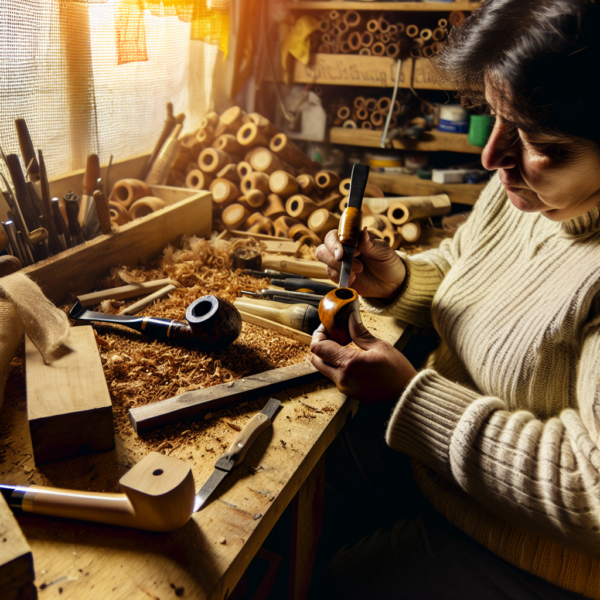
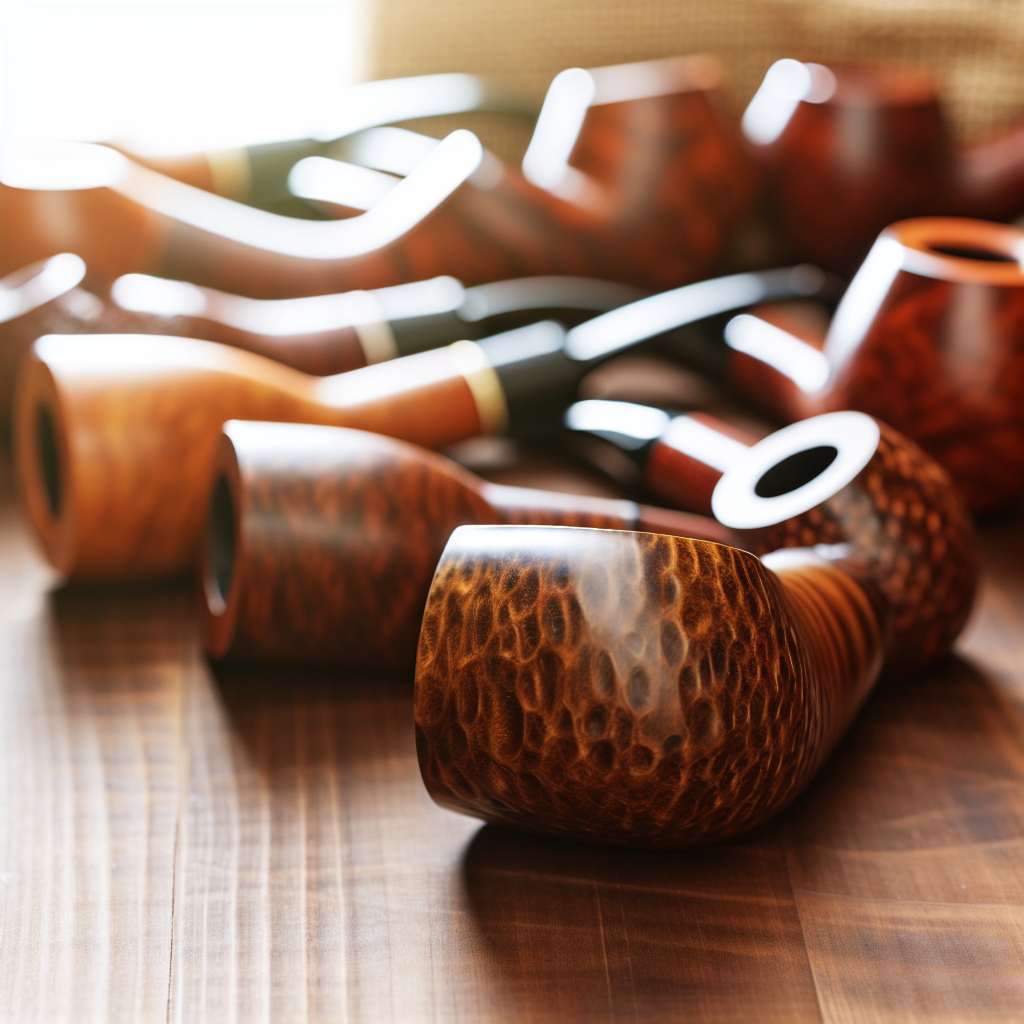
Handmade tobacco pipes represent a timeless blend of function and artistry, rooted in centuries of tradition and evolving craftsmanship. Whether you’re new to pipe smoking or a seasoned aficionado, learning how to choose and care for handmade tobacco pipes can significantly enhance your smoking experience. These artisan-crafted tools are more than just smoking devices—they’re individual works of art, carefully shaped for optimal performance and personalized appeal. This comprehensive guide explores everything from selecting quality briar to preserving your pipe for decades of enjoyment.
Understanding the Value and Craft of Handmade Tobacco Pipes
Unlike mass-produced options, handmade tobacco pipes are meticulously built by skilled artisans who prioritize design precision, top-grade materials, and exceptional smokeability. What sets these pipes apart is their unique detailing—flawless drilling, hand-cut stems, and the vibrant grain patterns of premium briar. Influential makers like Tom Eltang, Todd Johnson, and J. Alan Pipes bring distinctive flair to every piece, blending function with personal expression.
Briar remains the most preferred material for handmade tobacco pipes, thanks to its heat resistance, porous nature, and durability. Sourced from regions such as Algeria, Corsica, and Calabria, quality briar is both rare and valuable. Artisans often choose plateau briar, prized for its dramatic birdseye and flame grain patterns, to craft visually stunning pieces. The shaping, curing, and finishing process may take days—or even weeks—resulting in pipes of exceptional individuality and value.
Understanding the internal mechanics of a handmade pipe also deepens appreciation. Key elements like airhole alignment, mortise-tenon fitting, and smooth airflow directly impact your smoking experience. A well-engineered piece delivers a cooler, drier, more flavorful smoke than factory-made counterparts.
Choosing the Right Handmade Pipe for Your Preferences
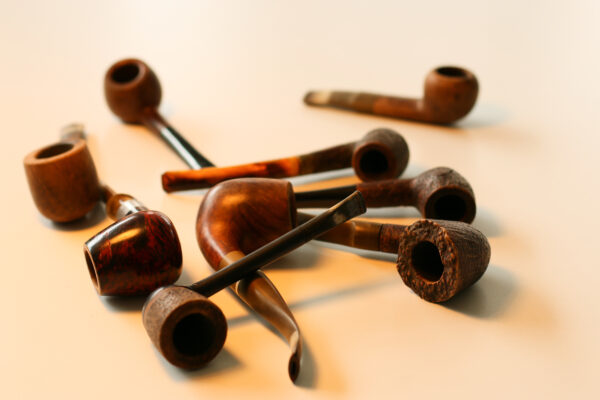
Selecting the best handmade tobacco pipe for your needs starts with evaluating shape, bowl size, stem type, and balance. Shape affects both aesthetics and performance. Traditional options like the billiard or bulldog offer proven functionality, while freehand designs by makers such as Nate King or Rad Davis provide ergonomic flair and visual intrigue.
Bowl size influences session length and tobacco type compatibility. Small chambers work well with flake or coin-cut tobaccos and short smokes. Larger bowls suit ribbon cuts and longer sessions, especially ideal for complex English blends. Look for well-drilled, evenly finished chambers with or without carbon coating, based on the artisan’s design.
Stem material also plays a role in comfort. Most artisan-grade pipes feature hand-cut ebonite or vulcanite stems, known for their softness and customization potential. Acrylic stems are more resilient but firmer when clenched. Pay attention to the stem button—a well-crafted one ensures a steady, comfortable grip. Experts like Michael Parks and J.T. Cooke excel in this subtle yet crucial detail.
Lastly, consider overall feel and balance. A great handmade tobacco pipe should rest comfortably in your hand or mouth. The tactile response when holding a Tokutomi or Bo Nordh pipe, for example, testifies to the maker’s ergonomic insight.
Pairing Your Handmade Pipe with the Right Tobacco
Once you’ve chosen a pipe, pairing it with suitable tobacco enhances the overall experience. Straight Virginias—like Samuel Gawith’s Best Brown Flake—shine in narrower bowls that concentrate flavor and burn slowly. VaPer blends, such as Escudo, benefit from taller chambers that evolve their complexity throughout the smoke.
English and Balkan blends—with components like Latakia, Orientals, and mature Virginias—perform best in wide, deeper bowls. These shapes foster airflow, helping highlight subtleties in layered tobaccos such as G.L. Pease’s Westminster or Dunhill Nightcap.
Aromatic lovers may prefer blends like Boswell’s Christmas Cookie or Mac Baren’s Vanilla Cream. In these cases, the superior engineering of a handmade tobacco pipe minimizes moisture buildup and bite, delivering sweeter, cleaner smokes. To preserve flavor integrity, consider dedicating specific pipes to certain tobacco types, avoiding flavor ghosting between smokes.
Mastering Pipe Smoking Technique
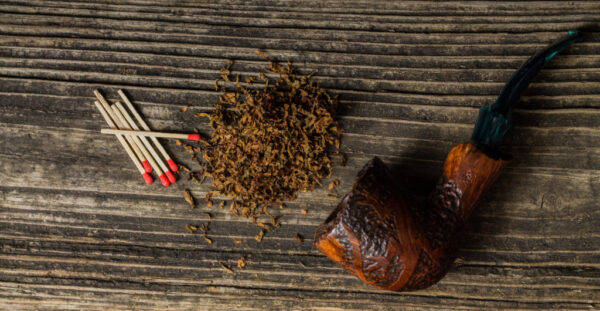
Your technique dramatically shapes the enjoyment of a handmade tobacco pipe. Begin with the “gravity fill” method: drop tobacco loosely into the bowl, gently tapping it down in stages. This ensures airflow while creating a consistent burn.
Use wooden matches or a soft flame lighter to ignite your pipe—torch lighters can damage the rim or briar. Start with a charring light to toast the tobacco surface, then tamp it and relight for an even burn. Puff gently and rhythmically—rushing causes overheating, tongue bite, and reduced flavor.
If the pipe becomes hot, let it rest. Sipping instead of puffing creates a cooler, more flavorful experience. Rotating pipes is also wise. Let each one rest 24–48 hours after use. A good rotation includes four to seven pipes, balancing use and recovery time.
Cleaning and Maintaining Your Handmade Tobacco Pipe
Proper maintenance ensures your pipe stays clean, functional, and beautiful. After each smoke, remove the stem and insert a pipe cleaner while the pipe is still warm. This prevents tar buildup and preserves airflow. Always allow the pipe to cool fully before disassembling—it protects the tenon and mortise from stress cracks.
Weekly cleanings involve deeper care. Use alcohol-dipped pipe cleaners to scrub the stem and shank. High-proof alcohols like Everclear work well, but avoid contact with the pipe’s finish. Vulcanite stems benefit from occasional applications of Obsidian Oil to prevent oxidation, while smooth finishes appreciate a light coat of carnauba wax for added luster.
Allow cake—the protective carbon layer inside the bowl—to form gradually. Keep it thin, about the width of a dime. Uneven or thick cake can lead to cracks, especially in handmade pieces with intricate shapes or rusticated bowls. Carefully use a pipe reamer for trimming when necessary.
Store pipes in racks or stands that allow free airflow. Keeping them upright or horizontal helps moisture escape evenly. Serious collectors may opt for climate-controlled cabinets to avoid cracking from humidity swings or seasonal changes.
Where to Find Quality Handmade Tobacco Pipes
Start or expand your collection by purchasing from trusted sellers and artisan platforms. Reputable websites like Smokingpipes.com, The Danish Pipe Shop, and Briar Blues offer detailed descriptions, maker backgrounds, and photos to aid your decision. Many also offer estate pipes—pre-owned but often high-grade—at more accessible prices.
Consider attending major events like the Chicago Pipe Show or the West Coast Pipe Show. These gatherings allow you to meet makers like Lee von Erck, Wayne Teipen, or Todd Johnson, view pipes in person, and even commission custom-made pieces.
Participating in online forums such as PipesMagazine.com or Pipe Smokers Den also connects you with experienced collectors and hobbyists. These spaces allow for reviews, advice, show-and-tell threads, and collective learning—an essential part of enjoying and understanding the world of handmade tobacco pipes.
Whether you’re easing into pipe smoking or expanding a cherished collection, artisan-crafted pipes offer unmatched character, performance, and tradition. With thoughtful care and informed choices, each handmade pipe becomes a lifelong companion—a vessel of relaxation, reflection, and refined enjoyment.