Slow smoking pipe tobacco takes a cool ember, a relaxed cadence, and a bowl packed for even airflow. The goal is a steady smolder rather than a hot, fast burn. Technique matters as much as the tobacco’s cut and moisture.
How Slow Smoking Pipe Tobacco Works
Pipe tobacco burns best when air can move through the bowl without feeding a large flame. Gentle draws keep the ember alive while limiting excess heat. Fast, repeated puffs often produce hot smoke, harshness, and tongue irritation.
The tobacco’s cut also affects its burn rate. Fine ribbon cuts usually light quickly and burn faster. Flakes, broken flakes, and cube cuts tend to smolder longer when prepared and packed correctly.
Check the Tobacco’s Moisture
Overly wet tobacco can resist lighting, create steam, and demand frequent relights. Very dry tobacco may burn hot and lose some aroma. Properly conditioned leaf should feel pliable without sticking together in a dense clump.
Spread a bowl’s worth on a clean surface if the tobacco feels damp. Depending on the blend and room humidity, five to 30 minutes may be enough. Check it often rather than relying on a fixed drying time.
Pack the Bowl for Consistent Airflow
A tight pack restricts the draw and encourages hard puffing. A loose pack can burn unevenly or go out before the ember reaches lower layers. Aim for light resistance, similar to sipping a drink through a straw.
Use a Simple Three-Stage Pack
Place loose tobacco in the lower third of the bowl and press it gently. Add a second portion with slightly more pressure. Finish the top layer firmly enough to create an even surface, but keep the draw open.
Test the airflow before lighting. If the draw feels blocked, empty the bowl and start again. Correcting the pack now saves frustration later.
Adjust for Different Cuts
Ribbon tobacco usually needs a lighter touch because the strands compress easily. Rubbed flakes need moderate pressure and some space between the pieces. Folded flakes often require a looser pack around the edges to maintain airflow.
Light the Tobacco in Two Stages
Begin with a charring light. Move the flame across the surface while taking a few slow draws, then let the tobacco rise. Tamp the lifted strands gently until the top looks level.
Apply a second light across the full surface. Draw only enough to establish an ember. A large flame can scorch the top layer and make the first part of the bowl taste sharp.
Control Your Smoking Cadence
For slow smoking pipe tobacco, take small sips of smoke with pauses between them. The pipe should remain warm, not uncomfortably hot. If the bowl heats up, set it down for several minutes.
Relights are normal and do not signal poor technique. Chasing a constant ember often leads to faster puffing and excessive heat. Let the pipe go out, tamp lightly, and relight when you are ready.
Use the Tamper Lightly
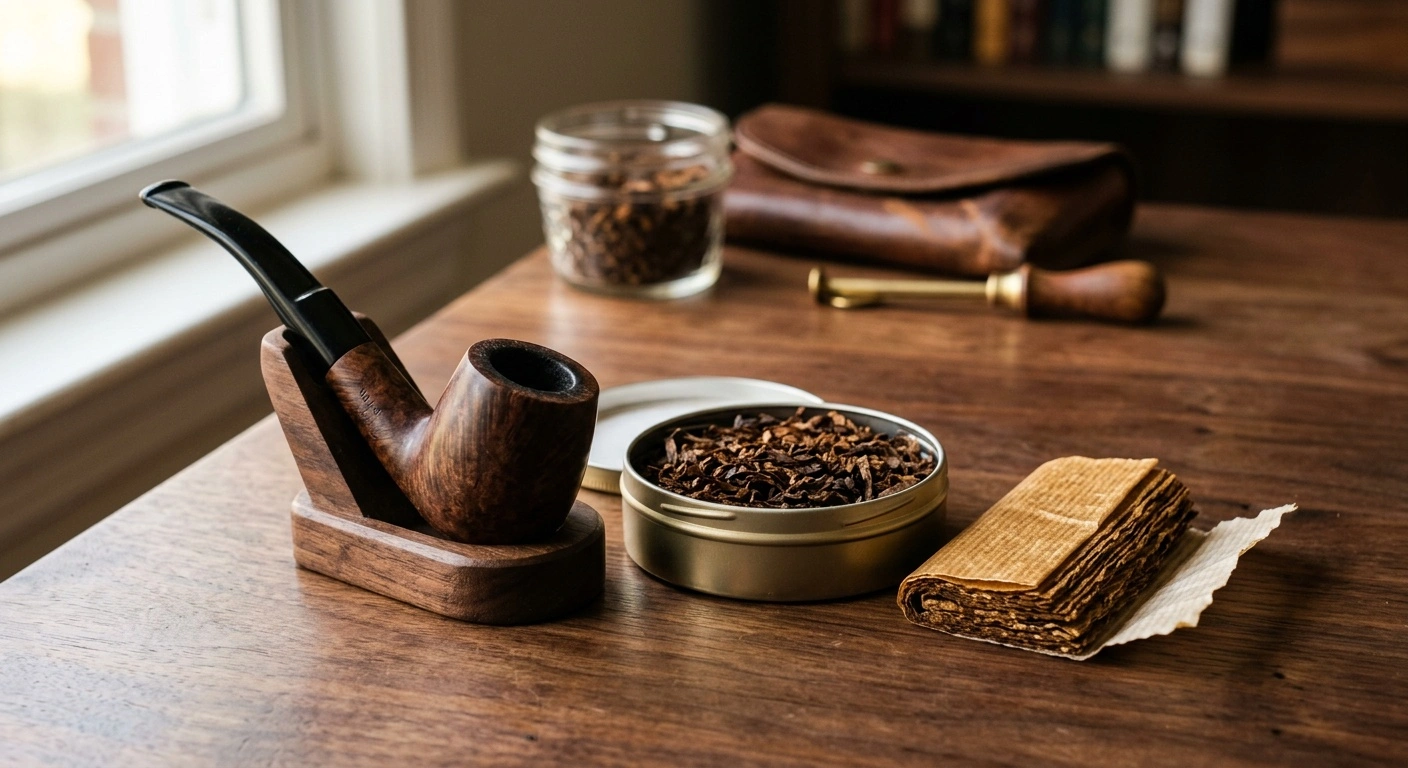
A tamper keeps the ash and burning tobacco in contact. Use only the weight of the tool while drawing gently. Heavy pressure can choke the ember and block the airway.
Pay attention as the bowl burns lower. Tobacco near the heel may need a firmer tamp, but the draw should stay open. Stop if moisture collects or the smoke becomes unpleasant.
Choose Tobacco That Supports a Longer Smoke
Thicker cuts often provide a slower burn than finely shredded leaf. Flakes and cube cuts can work well for longer sessions, though preparation affects their performance. A fine ribbon can still burn slowly with proper moisture, packing, and cadence.
Consider the bowl as well. A narrow chamber can suit flakes, while a wider chamber exposes more tobacco to the ember. No shape guarantees a slow smoke, so match the pipe to the cut and your preferred packing method.
Common Problems and Practical Fixes
- The pipe burns hot: Pause longer between draws and avoid pulling harder to preserve the ember.
- The tobacco keeps going out: Check the moisture, loosen the pack, and clear the airway.
- The smoke tastes harsh: Let the pipe cool, then resume with shorter and gentler draws.
- Moisture reaches the stem: Slow the cadence and run a pipe cleaner through the airway when the design allows it.
- The bowl burns unevenly: Light the entire surface and tamp high spots with minimal pressure.
A Cooler, More Controlled Bowl
Good slow smoking pipe tobacco technique depends on preparation, airflow, and patience. Keep the tobacco properly conditioned, pack it evenly, and accept occasional relights. A cool pipe and an easy draw provide better guides than the clock.
Pipe smoking still exposes users to nicotine and harmful combustion products, even without inhaling. It increases the risk of addiction, cancer, heart disease, and other health problems. No form of tobacco use is safe.