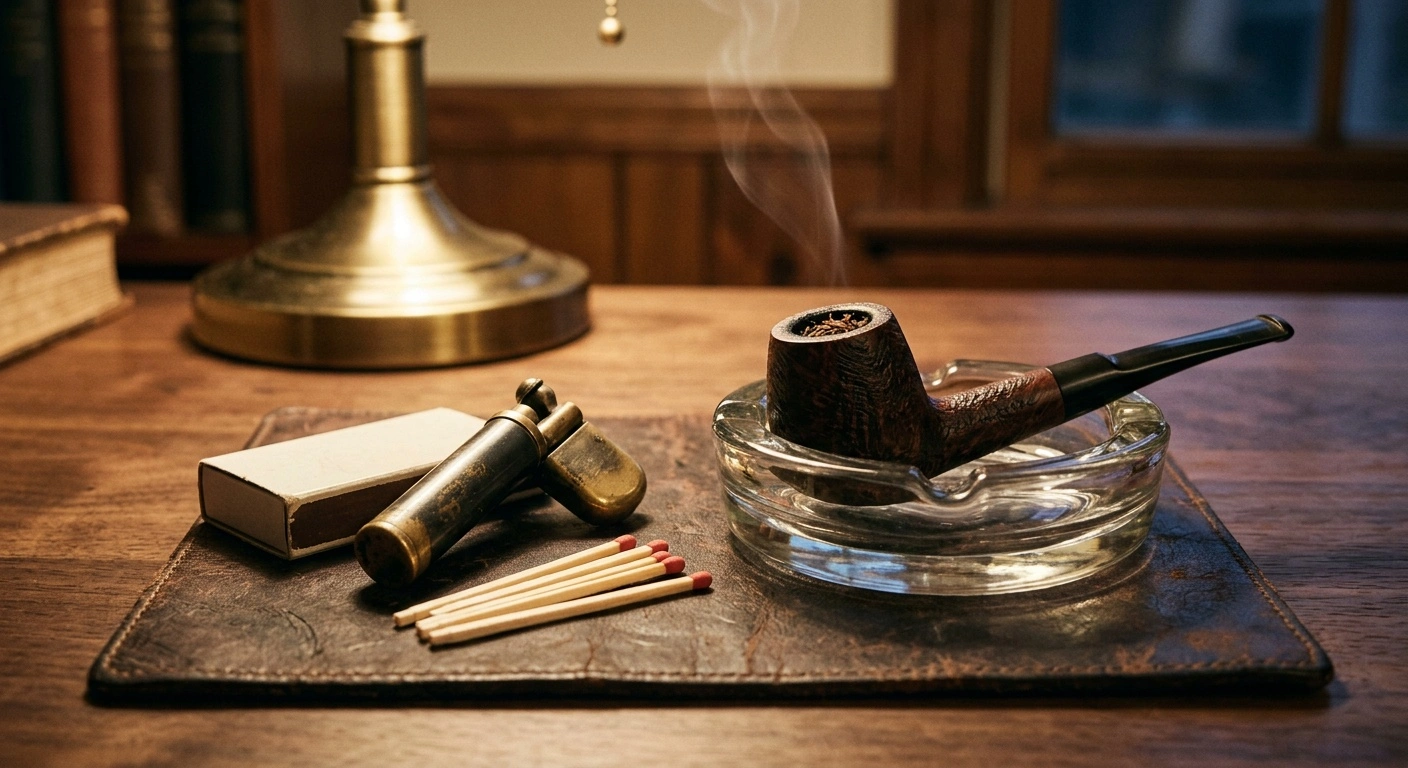
Pipe lighters vs matches is less about flame temperature than control. Either can create an even, lasting ember when you hold the flame above the tobacco. A pipe lighter offers more convenience outdoors, while wooden matches provide a broad flame that moves easily across the bowl.
Tobacco preparation, packing, and lighting technique matter more than the ignition source. Wet tobacco resists flame, while an overpacked bowl keeps going out. Well-prepared tobacco often needs only one charring light and one true light.
Many pipe smokers keep both options available. A pipe lighter handles daily use and repeated relights, while matches work well at home or as a backup. Pipe smoking causes serious health risks, including cancers of the mouth, throat, and lungs, even without inhalation. Federal law limits tobacco sales in the United States to adults age 21 and older.
Pipe Lighters vs Matches at a Glance
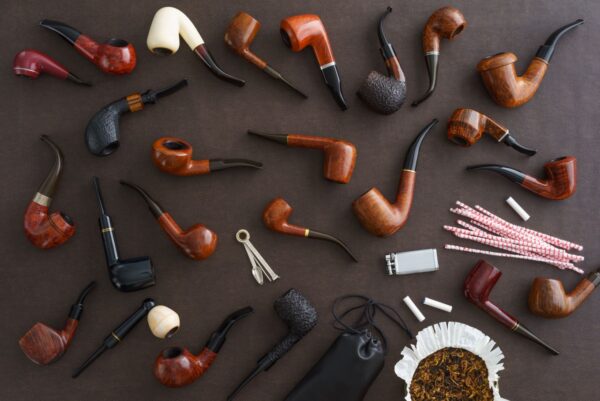
A pipe lighter directs a soft flame sideways or at an angle. This design lets you hold the lighter upright while drawing the flame toward the tobacco. Most modern models use butane, although liquid-fuel designs and pipe-specific inserts also exist.
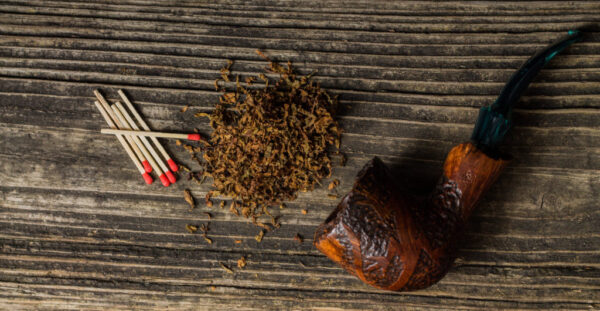
Wooden matches create a broader flame that follows the draw. They require no refilling, but you must keep them dry and let the initial flare settle. Long matches provide extra working distance around deep or wide bowls.
| Factor | Pipe lighter | Wooden matches |
|---|---|---|
| Flame control | Focused, angled soft flame that is easy to direct | Broad flame that follows the draw |
| Convenience | Quick ignition and simple relighting | Each relight requires a fresh match |
| Wind performance | Better than matches, although soft flames still struggle in strong wind | Poor unless carefully sheltered |
| Maintenance | Requires fuel and occasional care | Requires dry storage but no tool maintenance |
| Risk to the rim | Low with careful use, but prolonged heat can scorch the finish | Low with a moving flame, but the stick can touch the rim |
| Best setting | Daily use, travel, and frequent relights | Calm indoor or sheltered outdoor conditions |
What Makes a Lighter Suitable for a Pipe?
Angled Soft-Flame Pipe Lighters
A pipe lighter differs from a standard disposable lighter mainly in flame direction. Its flame exits from the side or at an angle. You can hold the lighter upright while positioning the flame over the bowl.
This design protects the valve and body from the heat caused by prolonged sideways use. It also provides a clear view of the tobacco surface. That visibility helps you sweep the flame around the bowl instead of heating one spot.
Some models include a tamper or pick, but those tools do not improve ignition. Flame adjustment matters more. A tall flame can char the rim, damage the finish, or ignite too much tobacco at once.
Use a modest flame that reaches the leaf only when you draw. Reliable ignition, comfortable controls, and a fuel window are useful features. However, none can replace careful lighting technique.
Standard Butane and Liquid-Fuel Lighters
An ordinary soft-flame butane lighter can light a pipe. However, you must usually tilt it or turn it nearly sideways. Prolonged use in that position exposes your fingers and the lighter to extra heat.
A standard lighter works for occasional use, but an angled model feels more comfortable during regular smoking. It also lets you keep the flame above the tobacco without awkward wrist movement.
Some liquid-fuel lighters use pipe-specific inserts or designs. They often work reliably in cool conditions and allow quick refilling. However, some smokers notice a fuel odor if they apply the flame before it settles.
Let a liquid-fuel flame burn cleanly for a moment before moving it over the bowl. Follow the manufacturer’s fuel instructions and keep lighters away from heat. Never refill a lighter near a flame, lit pipe, or other ignition source.
Stop using any lighter that leaks, shows damage, or produces an erratic flame. Do not attempt repairs unless the manufacturer provides safe instructions.
Why Torch Lighters Are a Poor Fit
A torch lighter produces a narrow, forceful jet for concentrated heat. That intensity may suit some cigars and outdoor tasks, but it works poorly with pipe tobacco. A torch can scorch the leaf, carbonize one spot, and burn the rim quickly.
Meerschaum, clay, and decoratively finished pipes need particular care. Localized heat can cause permanent damage. Even sturdy briar gains no practical benefit from a torch flame.
A soft flame gives you time to watch the tobacco rise, settle, and develop an even ember. It also reduces the risk of overheating the upper chamber during repeated relights.
Windproof advertising can make torch lighters look useful outdoors. Yet strong wind also makes tobacco, ash, and embers behave unpredictably. Move to a sheltered location instead of applying a hotter flame.
Do not light the pipe if you cannot control the ash and embers. Waiting for calmer conditions reduces fire and burn risks.
What Wooden Matches Do Well
A wooden match provides a wide, mobile flame without a pressurized jet. As you draw, the flame bends toward the tobacco. This movement clearly shows the relationship between airflow and ignition.
Let the initial flare settle before moving the match over the bowl. Wait until the head has fully caught and the wooden shaft burns steadily. This step reduces the chance of carrying the match head’s odor into the first puffs.
Long matches provide extra reach and keep fingertips farther from the bowl. Wooden kitchen matches can also work if they offer enough length for safe handling. Paper matches burn quickly, bend easily, and place your fingers close to the flame.
Matches do have practical drawbacks. Wind disrupts them, moisture damages them, and each one leaves a spent stick. A broad bowl may also require several matches, especially during the charring light.
How to Light a Pipe With a Pipe Lighter
The goal is to ignite the tobacco’s surface without pressing the flame against it. Hold a soft flame just above the bowl and draw gently. The airflow should pull the heat downward.
If the tobacco produces a tall flame, increase the distance or weaken the draw. Before lighting, check that the tobacco feels springy rather than soggy. Pack it so the draw feels open but not empty.
- Check the draw. Take an unlit test draw. Air should move freely without heavy resistance.
- Set a modest flame. Keep it stable and short enough to avoid wrapping around the bowl.
- Hold the flame above the tobacco. Do not insert the lighter into the chamber.
- Draw gently while circling the bowl. Move the flame across the center and perimeter until the tobacco rises.
- Remove the flame promptly. Stop when the surface has an even char rather than heating the bowl further.
- Tamp the raised tobacco lightly. Level the surface with minimal pressure.
- Apply the true light. Repeat the slow circular motion until the surface develops a steady ember.
- Settle into a slow cadence. Sip gently and monitor the bowl’s temperature.
A relight does not indicate failure. Pipes often go out during slow smoking, and a cool relight causes less heat than forceful puffing. Before relighting, tamp loose ash gently so the flame can reach the tobacco beneath it.
Use almost no downward pressure while tamping. A firm tamp can compress the tobacco, restrict airflow, and create another problem.
How to Light a Pipe With Matches
Matches use the same charring-light and true-light sequence, but they require careful timing. Strike the match away from the pipe and let the head finish flaring. Then move the steady flame over the bowl.
Keep the match at a slight angle. This position holds the burning head below your fingers and helps keep hot ash away from your hand.
The flame shortens as the match burns, so do not chase it into the chamber. Discard the match when it becomes too short for safe handling. A fresh match offers more control than an almost-spent one.
- Prepare the bowl. Confirm an open draw and level the tobacco surface.
- Strike away from the pipe. Keep the initial flare clear of clothing and nearby objects.
- Wait for a steady wood flame. Approach the bowl after the match head finishes flaring.
- Hover above the surface. Let the draw pull the flame toward the tobacco.
- Circle the bowl. Cover the center and perimeter until the top layer rises.
- Extinguish the match completely. Place it in a heat-resistant ashtray and check the tip.
- Tamp lightly. Flatten the expanded strands without restricting the draw.
- Use a fresh match for the true light. Repeat the circular motion until a stable ember forms.
Never drop a hot match into a wastebasket or leave it near paper. Use a proper ashtray for spent matches and pipe ash. Confirm that every match has stopped glowing before disposal.
After smoking, let the pipe go out completely. Empty the bowl only after the ash has cooled.
Which Method Produces the Most Even Burn?
Flame Coverage and Bowl Shape
Matches spread heat across a wider area. This coverage can help with broad pot-shaped or author-shaped bowls. A pipe lighter uses a more focused flame, but a controlled circular motion can cover the same surface.
Neither tool produces an even burn if you hold the flame in one place. Keep the flame moving and let the draw pull heat across the tobacco.
Deep, narrow chambers can become awkward as the tobacco level drops. A short match becomes difficult to position safely, while an angled lighter may offer better reach. Even then, keep the flame above the remaining tobacco.
Keep late-bowl relights brief. After the pipe goes out, gently loosen or tip away cool ash to expose the tobacco. Avoid digging aggressively because a deep channel can upset the pack and airflow.
Tobacco Moisture and Cut
Tobacco moisture affects the burn more than the choice between pipe lighters vs matches. Tobacco that feels wet, clumps together, or produces steam may need time to dry. Extra flame will overheat the top layer without fixing excess moisture.
Ribbon-cut tobacco often catches readily because it exposes many small edges. Flake tobacco may need rubbing out or careful folding and stuffing. The best preparation depends on the flake, chamber shape, and preferred airflow.
Dense plugs, ropes, and coarse cuts need enough space between the pieces for air to move. Cut and prepare them carefully before packing.
Very dry tobacco catches quickly and may burn hot with either tool. In that case, slow the smoking cadence and improve the tobacco’s condition. Repeated flame on an already hot bowl increases harshness and the risk of rim damage.
Flavor and Fuel Concerns
Some smokers consider matches neutral, while others notice a brief fuel note from certain lighters. Perception varies with the smoker, fuel, lighter condition, and technique. A poorly adjusted flame can create more odor than a stable one.
Let a liquid-fuel flame settle before using it. Keep the flame above the leaf instead of pressing it into the tobacco. With matches, wait for the initial flare and chemical odor to pass.
A well-functioning butane lighter burns cleanly under normal use. However, no ignition source guarantees better flavor when used carelessly. The first puffs may also taste sharper than the tobacco does after the ember settles.
Draw softly and avoid rapid puffs intended to keep every strand alight. Fast puffing creates excess heat and can irritate the tongue with either lighting method.
Common Pipe-Lighting Mistakes
Plunging the flame into the bowl concentrates heat and can scorch the rim. Let the draw bend the flame toward the tobacco. Keep the lighter or match above the chamber.
Trying to finish the light in one long attempt can overheat the tobacco and pipe. Loose strands expand during the charring light. Let them rise, tamp them level, and apply a shorter true light.
Packing too tightly restricts oxygen and causes repeated relights. Test the draw before ignition and repack the bowl if necessary. Puffing harder creates heat without correcting the blockage.
Using an oversized flame can blacken the rim and produce an uneven ember. Lower the lighter setting or hold the match farther from the tobacco. More flame does not provide better coverage.
Relighting loose ash without tamping may create a brief glow that quickly dies. A gentle tamp restores contact between the ember and the tobacco below. Stop if the draw becomes tighter.
Fighting strong wind sends sparks, ash, and flame in unpredictable directions. Find shelter or wait for calmer conditions. Wind also speeds combustion and can overheat the bowl.
Choosing an Everyday Lighting Method
An angled soft-flame pipe lighter offers the most convenience for regular use. It handles repeated relights and works with a range of bowl shapes. Look for reliable ignition, simple flame adjustment, and comfortable controls.
Wooden matches work well in quiet indoor or sheltered settings. Their broad flame provides clear visual feedback during the charring and true lights. They also serve as a practical backup when a lighter runs out of fuel.
Good combustion starts with prepared tobacco, an open draw, a light tamp, and a slow cadence. If the pipe keeps going out, check the moisture and pack before changing ignition tools. If the bowl burns hot, reduce the flame and slow down.
Keep a heat-resistant ashtray nearby and never leave a lit pipe unattended. Extinguish matches and cool the ash before disposal. Store lighters away from heat, and never refill one near an ignition source.
The final choice in pipe lighters vs matches depends on setting and preference. Lighters favor convenience, while matches offer a broad, easy-to-watch flame. Careful technique allows either tool to establish a controlled, even ember.